
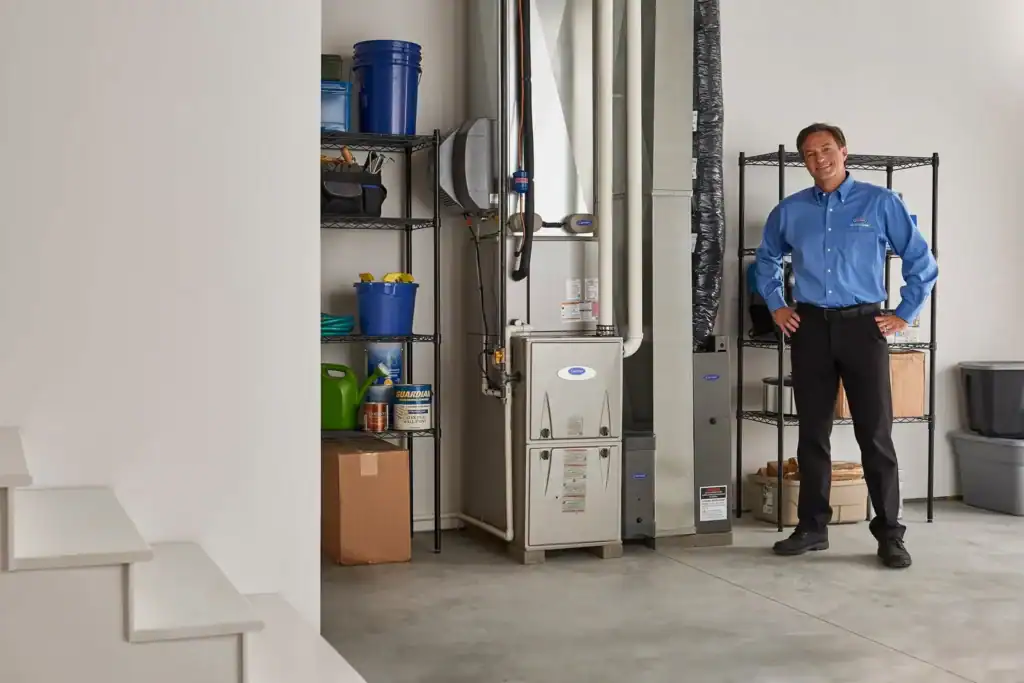
If your heating system turns on, runs for a few minutes, and shuts down early, you are dealing with furnace short cycling. A healthy system runs steady cycles to warm your living space. When a unit cuts out too soon, your rooms stay cold, and your equipment wears out faster.
Learning why your furnace short cycles helps you find the right solution. A clogged filter may be the culprit. Other times, an electrical component needs testing. Simpson Salute Heating & Air walks through how heating cycles work, common furnace short-cycling causes you can check, and repairs that need a technician.
Normal Heating Cycles and How They Work
During cold weather, your heating system follows a set order. Your thermostat and safety controls guide each step. When indoor temperatures drop below your setpoint, your thermostat calls for heat.
The Stages of a Normal Heating Cycle
A standard cycle runs for ten to fifteen minutes. The exact run time depends on outdoor temperatures and home insulation.
First, the draft inducer fan turns on. This small fan pulls combustion gases safely through the flue. Next, the igniter lights the main burners. The blower motor then pushes warm air through your ductwork. Once your home reaches the target temperature, the burners shut down. The blower keeps running for another minute or two to deliver the remaining heat.
Why This Pattern Harms Your System
Furnace short cycling breaks this cycle before warm air spreads through your rooms. Turning on and off repeatedly pulls heavy electrical current and strains your hardware. When your furnace short cycles several times an hour, several issues occur:
- Uneven temperatures: Rooms far from your unit stay chilly. Your blower rarely runs long enough to warm every space.
- Premature equipment wear: Parts like igniters, relays, and blower motors face constant stress. This extra wear shortens system life.
- Higher utility bills: Frequent startup sequences burn more gas and power than steady, continuous cycles.
Common Furnace Short Cycling Causes to Check
Before you schedule a service visit, check a few basic items in your home. Some furnace short cycling causes stem from simple airflow limits or thermostat settings that you can review yourself.
Inspect Your Air Filter
A dirty filter is the most common reason for furnace short cycling. Dust, pet fur, and lint gather on the filter media over time. This blockage chokes off airflow to your blower.
When airflow drops, heat builds up inside the cabinet. The high-limit switch senses the high heat and shuts down the burners to prevent damage. After the cabinet cools, the unit turns back on and repeats the pattern. Check your filter once a month during winter. Replace it whenever the surface looks dark or dirty.
Review Your Thermostat Settings
Thermostat glitches can trick your system into shutting down before your home is warm. Make sure your thermostat is set to heat. Set the fan switch to auto rather than on. If your screen looks dim, put in fresh alkaline batteries to keep the device running reliably.
Thermostat location also matters. If your thermostat sits in direct sunlight or across from a heat vent, it reads false temperatures. The sensor thinks the house is warm and ends the cycle early. If you deal with hot and cold spots, upgrading to modern thermostats and zoning helps balance temperatures in each room.
Check Your Vents and Flue Pipes
Walk through your home and make sure all supply and return grilles stay open. Shutting vents in unused rooms builds high static pressure in your ducts. This pressure restricts airflow and makes the furnace overheat.
You should also check the vent pipes on the outside of your home. High-efficiency systems vent exhaust and draw fresh air through exterior PVC pipes. Snow, ice, leaves, and pests can block these lines. If an intake or exhaust line clogs, safety switches stop the burners right away. Clear any snow or debris around your exterior pipes to keep air moving.
Mechanical Problems Behind the Pattern
If a clean filter and open vents do not fix the issue, the trouble is likely mechanical or electrical. A licensed heating technician can test internal components safely.
Dirty or Worn Flame Sensor
Modern furnaces use a flame sensor rod to confirm that fuel has lit. This metal rod does not measure heat. It detects a faint electrical current that flows through the burner flame.
Over time, soot and oxidation coat the sensor rod. When this dirt blocks the electrical signal, the control board assumes the flame went out. The board shuts the gas valve within seconds to prevent dangerous gas buildup. A technician can clean the rod with a fine abrasive pad or replace a worn sensor.
Overheating and Heat Exchanger Damage
If your furnace runs for just a few minutes before shutting off, it may be tripping the high-limit switch. Beyond restricted airflow, electrical faults can also trap heat inside the unit. For instance, a blower run capacitor stores energy to keep the blower motor spinning. When this capacitor grows weak, the fan slows down or stops.
Trapped heat puts severe stress on your heat exchanger. This metal chamber keeps toxic flue gases separate from the air you breathe. Repeated overheating causes metal fatigue and can crack the heat exchanger walls, which poses a serious carbon monoxide risk. Regular furnace maintenance gives a technician time to clean the blower, test capacitors, and inspect the heat exchanger for cracks.
An Oversized Furnace
Some heating systems short-cycle from the day an installer puts them in. Your equipment must match the size and heating needs of your home. If a furnace is too large, it heats the air near the unit too fast.
The burners shut off before warmth reaches distant rooms, leaving cold areas and wasting fuel. Replacing the oversized unit with properly sized furnaces can resolve the issue. In some setups, a technician can help by adjusting blower speeds or tuning burner output.
Preventing the Problem
Letting your furnace short-cycle puts heavy strain on vital parts. It raises your fuel costs and leaves your home uncomfortable. While changing a dirty filter or clearing a vent can solve airflow problems, repeated shutdowns often point to deeper mechanical wear.
Fixing cycling issues early stops minor problems from turning into costly mid-winter breakdowns. Change your filters on schedule, keep your vents open, and book seasonal tune-ups to keep your heating system running safely all winter long.
Professional Heating Service in New Philadelphia, Ohio
If simple troubleshooting steps do not resolve your heating troubles, our team is ready to help. Contact us to schedule a visit. Serving homeowners across New Philadelphia, OH, since 1999, our licensed and experienced professionals diagnose cycling problems accurately and restore dependable warmth to your home.
We provide 24/7 live answering and prompt same-day service, so furnace short cycling and other urgent heating repairs get handled before cold weather compromises your comfort. Visit our service area page or schedule your diagnostic appointment online today to keep your home warm and safe.